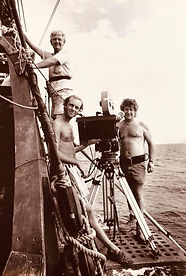
What is a Grip?
Some say the word 'grip' comes from the 1930s term for a tool bag or grip that workmen used for carrying their tools or from the early days of filming when the cameras were so heavy it took several burly men to hold them steady. However the name came about, the Grip looks after the 'bag of tricks' on set which has a gadget or gizmo for every camera supporting need - and if they don't have it, they can find it, make it or re-model something else to do the job. Grips are the 'make it work' people on set - masters of the art of pulling effective solutions to impossible mechanical problems out of thin air!
In the UK the Grip Department provides, builds and maintains all the equipment which supports the cameras during filming - tripods, dollies (four wheel contraptions which hold camera and operator for moving & tracking shots), jibs, cranes and static rigs, ropes and pulleys - all of which need a high level of experience to operate and move. Every scene in a feature film is shot using one or more cameras and each is mounted on this highly complex equipment - with the Grips using anything and everything to make the shot work for the Director of Photography and the Director.
The UK, unlike other countries, have national qualifications for Grips and Crane Technicians, to help maintain high standards of work and also Health and Safety. These qualifications are, Level 2 Grip (Dolly, Static Mounts and Jib Arms), Level 2 Crane Technician and Advanced Level 3 Grip (Advanced Tracking, Crane Operating, Advanced Rigging and Tracking Vehicles) and are recognised nationwide by the Industry.
The Grips Departments in the USA and the UK differ slightly in the way they work. In the USA the Grips are also responsible for Lighting and Rigging - flagging, gels, Bluescreens and Green Screens etc - which is taken care of in the UK by the Lighting Technicians. A hybrid of these two systems is beginning to happen in the UK, with Grip departments now taking on the responsibility of Blue Screens and Green Screens in collaboration with Rigging and Construction departments.
This is a department for an individual who has technical and mechanical skills combined with a complete understanding of the way a film set operates. This job requires stamina, strength and endurance, combined with precision and grace in order to move the dolly or crane, working in perfect harmony with the Camera Operator and Artistes.

Different Types of Grip
Key Grip
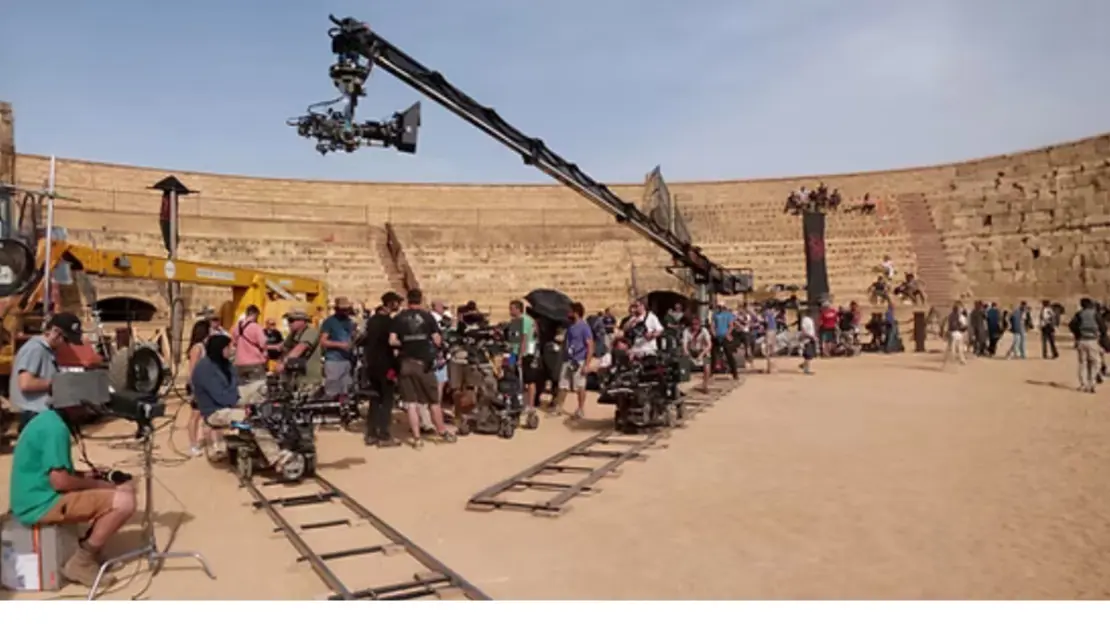
As head of the grip department, the key grip in high-end TV and scripted film reports to the director of photography and is responsible for the safe movement of cameras on set. This can involve very complex movement, such as underwater, in the air or over rough terrain. They conduct recces and plan grip activity for each location. They organise the grip department for a production and are responsible for health and safety in their department. Finally, they oversee the set up and operation of grip equipment by the grips and liaise with the standby construction crew so that camera movement meets production needs. Sometimes the key grip will head up a grip department working with the blue / green screen units in collaboration with the visual effects department.
Qualification guidance: the health and safety implications and dangers associated with grip equipment, means preference should be given to grips with an Advanced Grips Level 3 Diploma in Professional Competence.

Best Boy Grip
Reporting to the key grip, the best boy in high-end TV and scripted film is the centre of all communication into, out of and within the department, liaising with the production department about the requirements of the key grip and director of photography. They are responsible for ordering and returning grip equipment, booking crew, organising additional crew and managing grip department paperwork, including making sure that it remains up to date with production changes. They are also responsible for making sure that the equipment is working properly, consumables are replenished and that the crew have what they need to carry out their work. In an emergency or at short notice they can also step in and cover the role of the key grip.
Qualification guidance: the health and safety implications and dangers associated with grip equipment means preference should be given to grips with a minimum of a Grips Level 2 Diploma in Professional Competence.
Dolly Grip
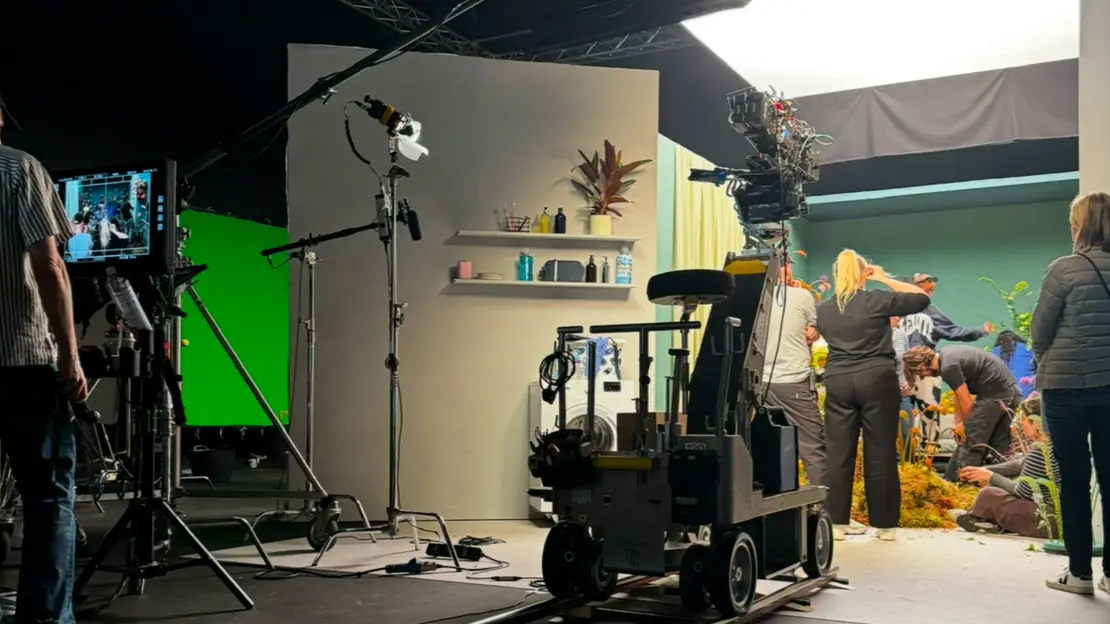
Reporting to the key grip, the dolly grip or camera grip in high-end TV and scripted film is responsible for the daily set up of camera positions on set. This can involve overseeing the laying of simple and complex track and dancefloors as well as rigging. During filming, they can track cameras including stabileye / ronin (gimbleheads) and ensure the health and safety of camera operators with handheld cameras. Throughout the day, they monitor and report all logistical and environmental issues that may impact on shot requirements and suggest changes to camera set up so that shot requirements can be met. They are also responsible for managing the risks associated with the set-up of the camera with which they are working.
Qualification guidance: the health and safety implications and dangers associated with grip equipment, means preference should be given to grips with a minimum of a Grips Level 2 Diploma in Professional Competence.
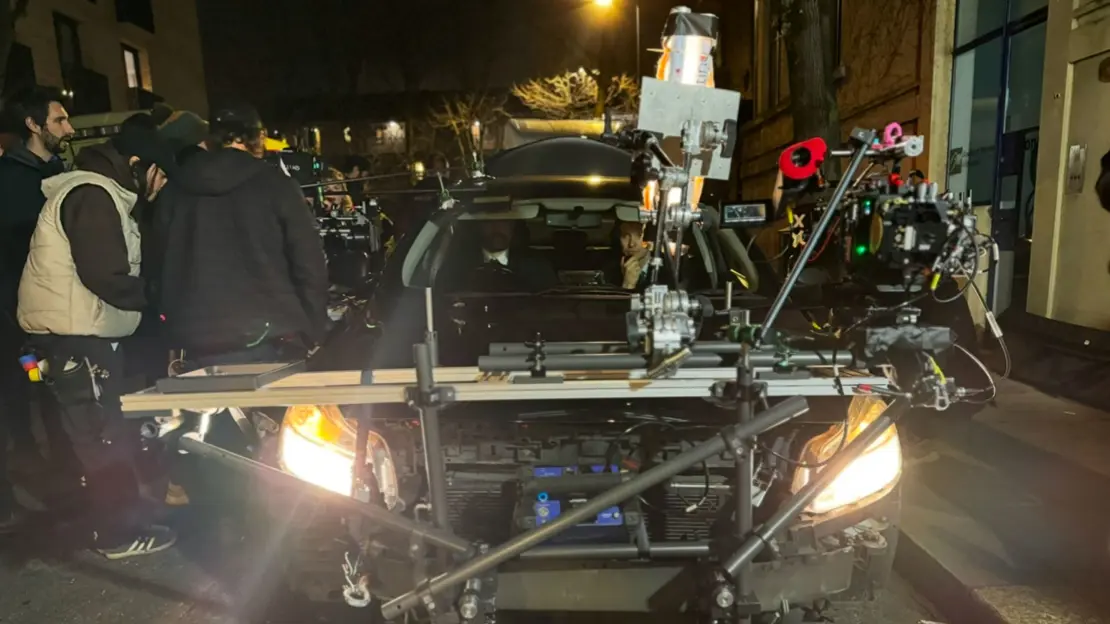
Rigging Grip
Reporting to the key grip, the rigging grip in high-end TV and scripted film is responsible for the pre-rigging of grip equipment including simple and complex track, static mounts, overhead cameras, remote heads, cranes, tracking vehicles, trailers and car rigs. Rigging may take place in any terrain or environment including at height, underwater and in tunnels. They are also responsible for managing the risks associated with each rigging scenario with which they are working. They must be able to work independently and without supervision to rig in advance of planned shots.
Qualification guidance: the health and safety implications and dangers associated with grip equipment, means preference should be given to grips with an Advanced Grips Level 3 Diploma in Professional Competence.
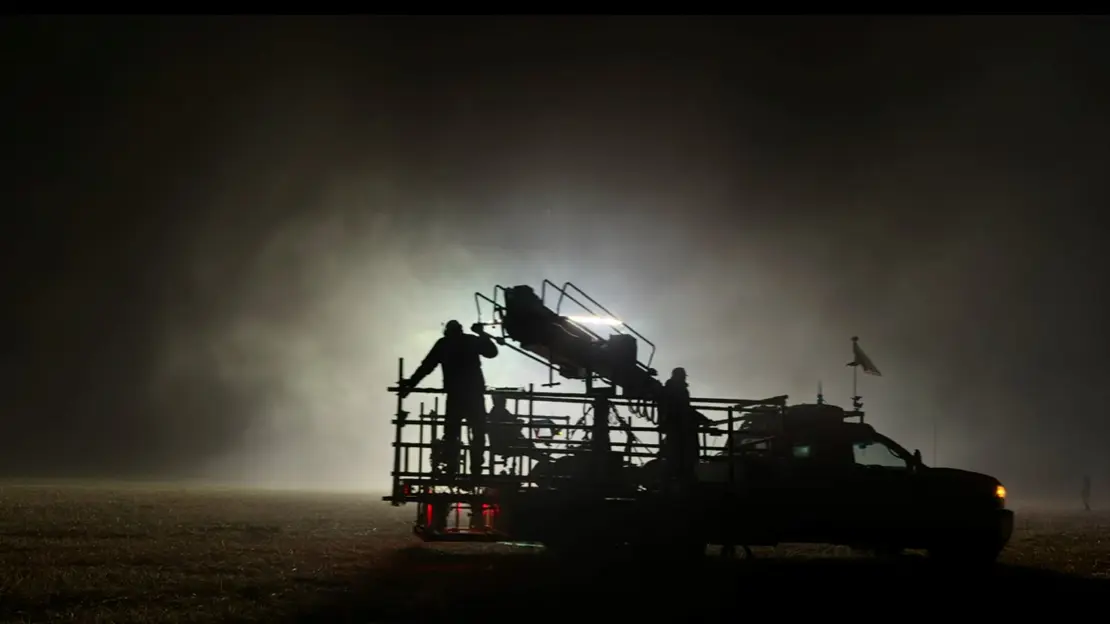
Crane Grip
Reporting to the key grip, the crane grip in high-end TV and scripted film is responsible for overseeing the rigging and derigging of camera cranes and any required crane track. During shooting they are responsible for the correct movement of remote heads and cranes to ensure shot requirements are met, and they oversee the work of the crane technician. They are also responsible for risk assessments and paperwork relating to cranes. Depending on the size of the production, the crane grip may be asked to recce the location on behalf of the key grip to ascertain risks and suitability of surface.
Qualification guidance: the health and safety implications and dangers associated with grip equipment, means preference should be given to grips with an Advanced Grips Level 3 Diploma in Professional Competence.
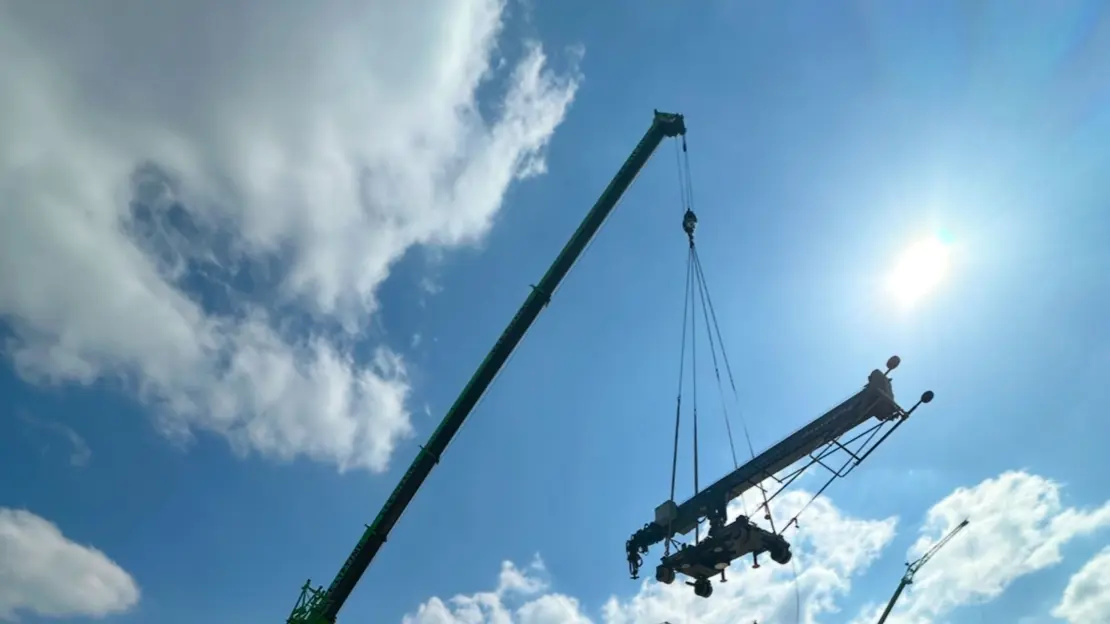
Crane/Head Technician
Reporting to the crane grip or key grip, the crane or remote head technician in high-end TV and scripted film is responsible for rigging and derigging camera cranes and remote heads, positioning cranes and providing power and cabling for their operation. They also assist in laying any required crane track and mounting camera packages to any remote heads. During shooting, they are required to make sure cranes and remote heads remain in good working order and may also be required to assist by tracking the camera crane. They are also responsible for supplying crane paperwork and safety certificates.
Qualification guidance: the health and safety implications and dangers associated with grip equipment, means preference should be given to crane technicians with a Level 2 Crane Technician Diploma in Professional Competence.
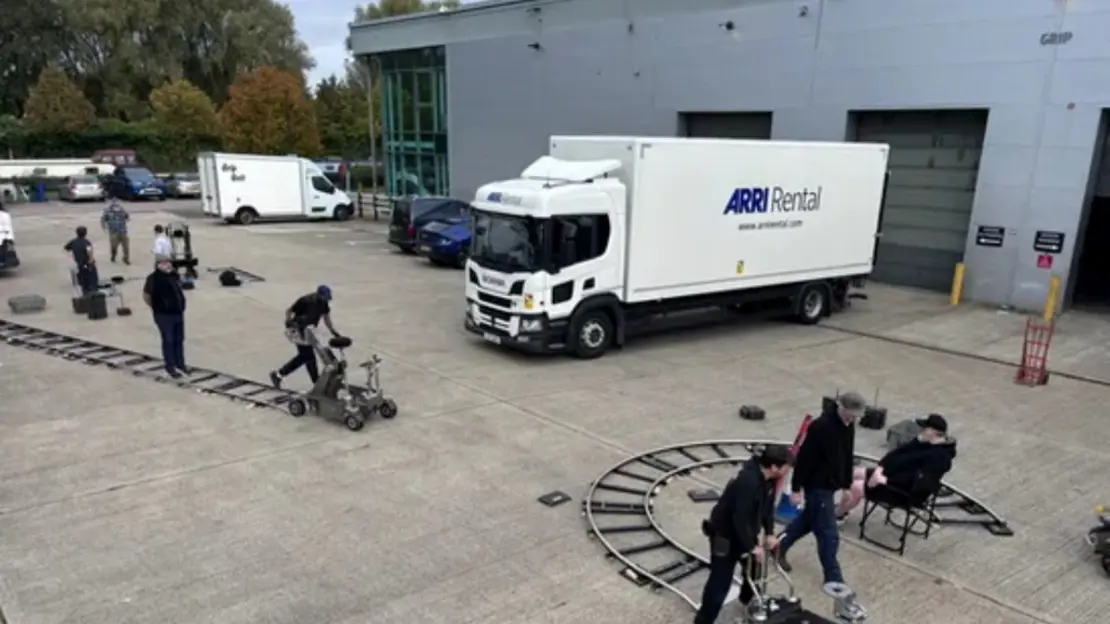
Grip Trainee
Reporting to the key grip, the grip trainee is an entry level role in high-end TV and scripted film with the remit of learning the essential skills that form the foundation of a grip’s responsibilities while gaining on-set experience. Working under constant supervision, grip trainees help to set up, dismantle and clean grip equipment. This role requires physical strength, technical curiosity, good timekeeping and an eagerness to work as part of a highly collaborative team in often challenging conditions.
The health and safety implications and dangers associated with grip equipment mean that grip trainees should never work without supervision.